
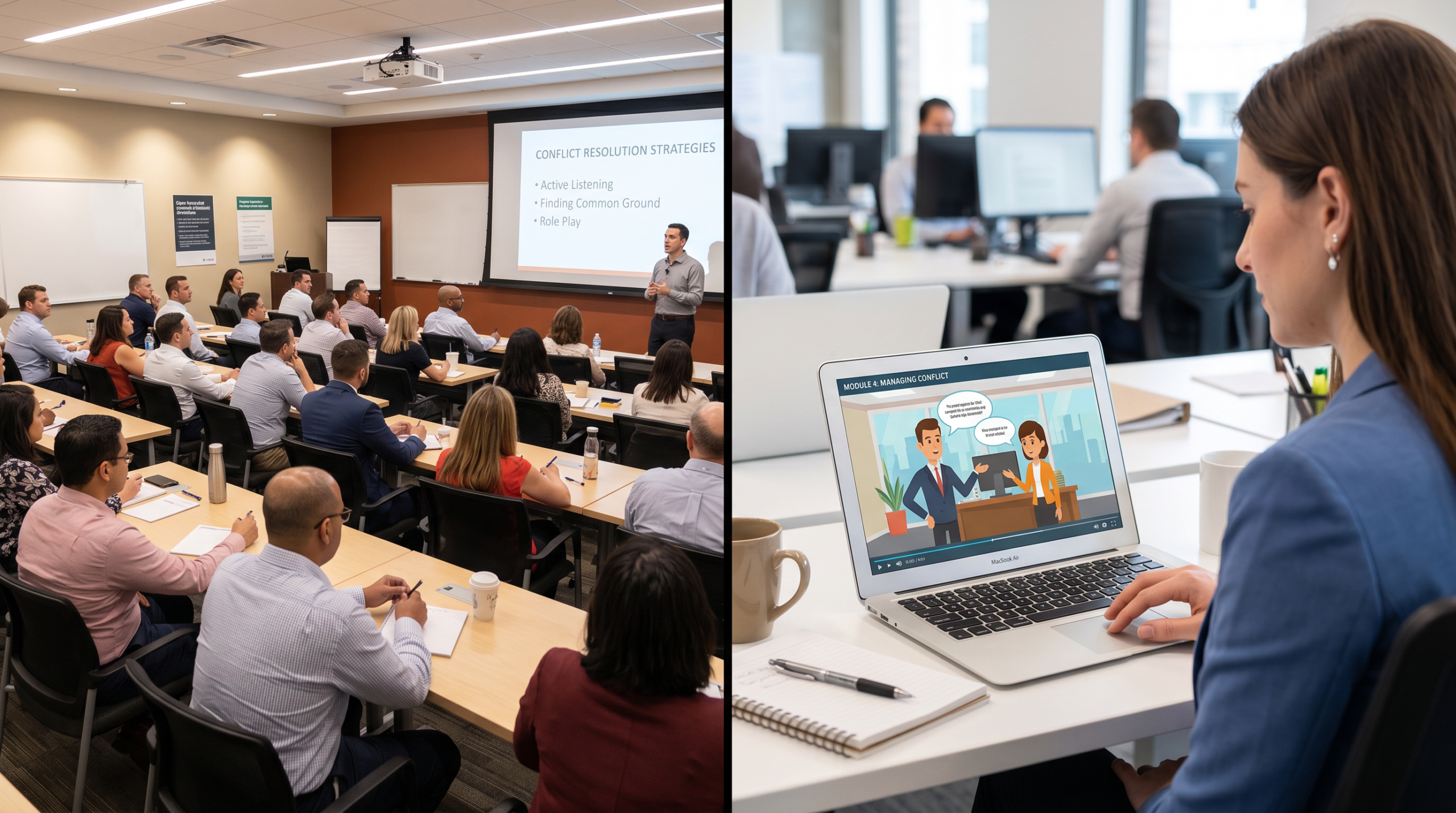
From Classroom Training to Digital Learning: A Step-by-Step Corporate Training Transformation Guide
For decades, classroom training has been the cornerstone of corporate learning. Organizations have relied on instructor-led sessions, workshops, seminars, and face-to-face training programs to onboard employees, build skills, and ensure compliance. While classroom training offers valuable opportunities for interaction and discussion, it also comes with limitations such as scheduling challenges, travel costs, inconsistent delivery, and scalability issues. Today's workplaces are changing rapidly. Hybrid work models, geographically dispersed teams, evolving technologies, and increasing demands for continuous learning have accelerated the shift toward digital learning. As a result, organizations across industries are transforming traditional classroom training into scalable, engaging, and measurable digital
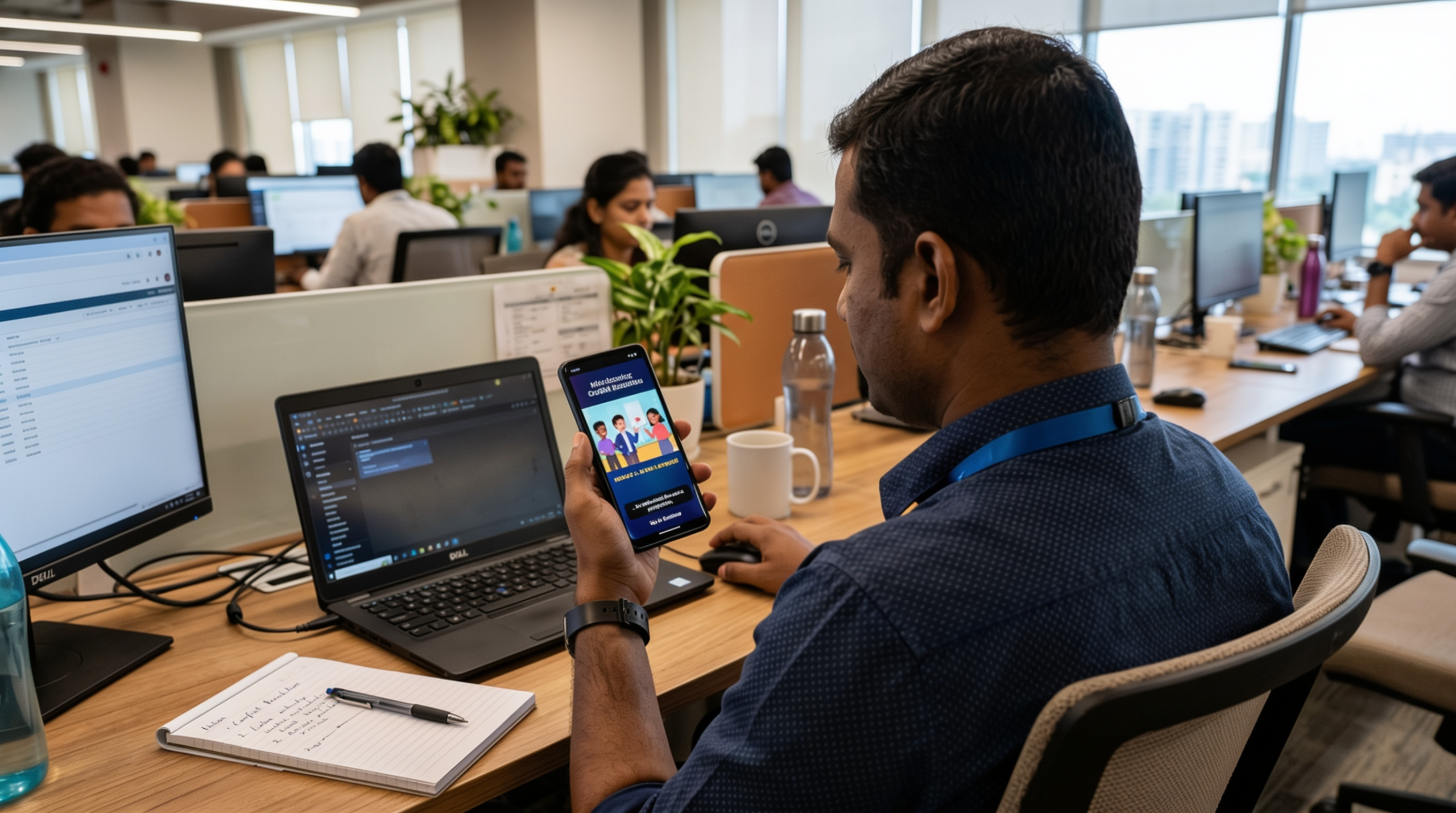
Microlearning vs Traditional E-Learning: Which Training Approach Works Best for Modern Employees?
Organizations today face a common challenge: how to deliver effective training to employees who are busier, more distracted, and expected to learn faster than ever before. As workplace demands continue to increase, Learning and Development (L&D) teams are under pressure to provide training that is engaging, accessible, and capable of producing measurable results. Two of the most widely used digital learning approaches are microlearning and traditional e-learning. While both aim to improve employee knowledge and performance, they differ significantly in structure, delivery, learner experience, and learning outcomes. The question many L&D managers ask is: Which approach works best for modern