
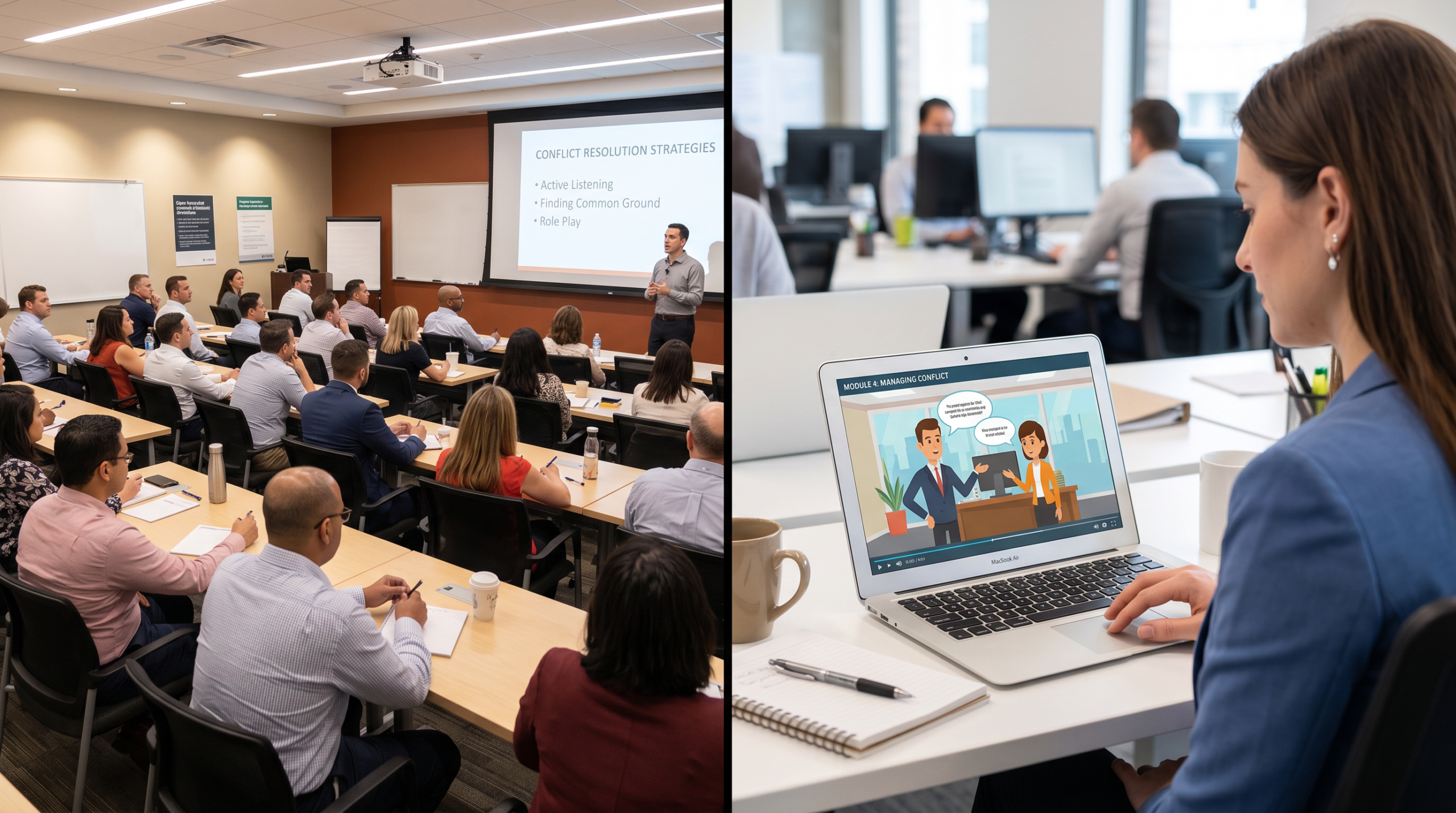
From Classroom Training to Digital Learning: A Step-by-Step Corporate Training Transformation Guide
For decades, classroom training has been the cornerstone of corporate learning. Organizations have relied on instructor-led sessions, workshops, seminars, and face-to-face training programs to onboard employees, build skills, and ensure compliance. While classroom training offers valuable opportunities for interaction and discussion, it also comes with limitations such as scheduling challenges, travel costs, inconsistent delivery, and scalability issues. Today's workplaces are changing rapidly. Hybrid work models, geographically dispersed teams, evolving technologies, and increasing demands for continuous learning have accelerated the shift toward digital learning. As a result, organizations across industries are transforming traditional classroom training into scalable, engaging, and measurable digital

SCORM-Compliant E-Learning: What Every L&D Manager Should Know
In today's digital learning environment, organizations invest significant resources in creating and delivering employee training programs. Whether it's onboarding, compliance training, cybersecurity awareness, leadership development, or product knowledge training, Learning and Development (L&D) managers need a reliable way to deploy, track, and manage learning content across their workforce. This is where SCORM-compliant e-learning plays a crucial role. If you've ever worked with Learning Management Systems (LMSs), you've likely encountered the term SCORM. While it may sound technical, understanding SCORM is essential for any L&D manager responsible for implementing and managing corporate training programs. SCORM compliance ensures that e-learning courses work